
Understanding the Structure of Gare Ciclismo
The world of cycling has seen a burgeoning interest in competitive events, commonly referred to as gare ciclismo. These events are not limited to traditional road racing but encompass a variety of disciplines including mountain biking, cyclocross, and track cycling. Each category presents unique challenges and attracts different athlete profiles, making it essential for both newcomers and seasoned competitors to understand the nuances involved.
Overview of Different Race Types
Cycling competitions can be broadly categorized into several types, each with its rules and styles:
- Road Racing: This discipline includes events such as stage races, one-day races, and classics. Athletes race on paved roads and must excel in endurance and strategy.
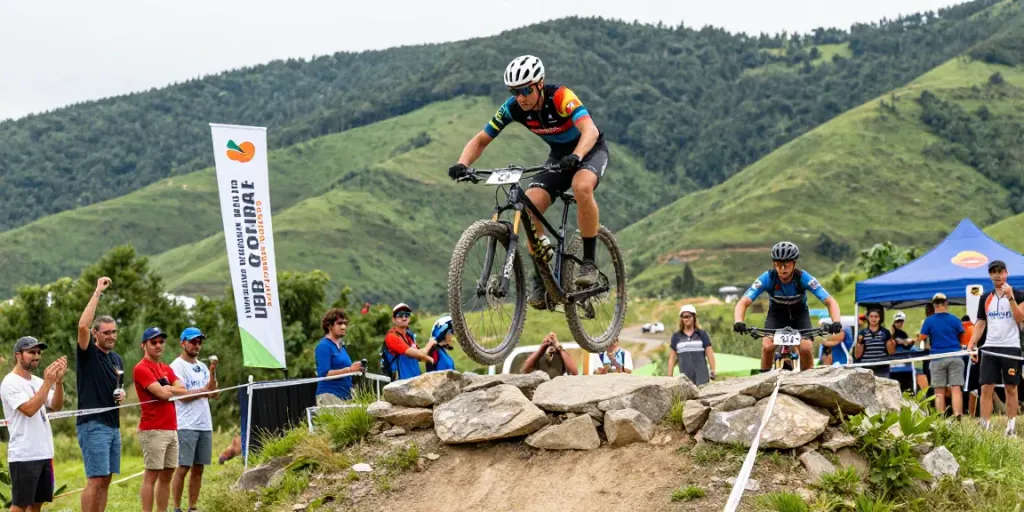
- Mountain Biking: Here, the course is rugged and off-road, requiring specialized bikes and a different skill set. The mountain bike races include cross-country, downhill, and marathon formats.
- Cyclocross: A unique blend of road cycling and mountain biking held over varied terrain and often necessitating bike handling skills in muddy or grassy conditions.
- Track Cycling: Conducted on velodromes, athletes race on a circular track, emphasizing speed and tactical positioning.
Key Rules and Regulations
To ensure fair competition, each race type has specific regulations. For instance, road races often involve points-based systems where cyclists earn points based on their finishing positions throughout various stages. Mountain biking competitions might involve both time trials and elimination rounds. Understanding these rules is crucial for athletes to avoid penalties and optimize their performance.
How to Choose the Right Event
When selecting which events to participate in, potential competitors should consider their strengths, weaknesses, and training background. Newcomers might benefit from starting with shorter, local races to build confidence and experience, whereas seasoned cyclists could aim for national championships or international competitions.
Top Athletes to Watch in 2026
The upcoming 2026 season promises to showcase some of the most thrilling talents in cycling. As competitive landscapes evolve, established stars will compete with rising athletes ready to make their mark on the sport.
Profiles of Leading Competitors
Among the elite cyclists, Tadej Pogačar stands out as a dominant force in the cycling arena. His impressive performances during the Vuelta and Tour de France have positioned him as a favorite for the upcoming World Championships. Other notable athletes include Mathieu van der Poel and Remco Evenepoel, each bringing unique strengths and racing strategies.
Emerging Talent in Mountain Biking
The mountain biking scene is witnessing a surge of young talent. Athletes like Laura Stigger and Adrien Boichis have already demonstrated exceptional skills in short track events and are expected to perform exceptionally well in the 2026 MTB World Championships in Val di Sole. These rising stars not only add excitement to the sport but also raise the bar for competition.
Historical Performances and Trends
Analyzing past performances can provide insights into current trends within the sport. For example, the increasing dominance of riders who excel in both climbing and sprinting has shifted both race strategies and training methodologies. Understanding these shifts is vital for competitors looking to tailor their approaches.
Preparing for Success: Training and Nutrition
Success in cycling isn't solely dependent on natural talent; preparation plays a crucial role. Athletes must dedicate time to specialized training and optimize their nutrition to enhance performance and recovery.
Effective Training Regimens
Training should be systematic and structured to meet individual goals. This often includes a mix of endurance rides, interval training, and recovery sessions. The specificity of training regimens can significantly impact performance, especially in varied terrains encountered in mountain biking versus road racing.
Importance of Nutrition for Performance
Nutrition is equally pivotal in a cyclist's preparation. Diets rich in carbohydrates, proteins, and healthy fats help sustain energy levels during long rides. Furthermore, hydration strategies and recovery meals post-ride can influence training effectiveness and overall performance outcomes.
Mental Preparation Techniques
Mental fortitude is essential in competitive sports. Techniques such as visualization, goal setting, and mindfulness can improve focus and reduce competition-related stress. Athletes often incorporate mental training into their regular workout schedules to enhance their readiness for race day.
Equipment Essentials for Competitive Racing
The right equipment can significantly impact a cyclist's performance. From the choice of bike to the gear worn on race day, each element plays an integral role in competitive outcomes.
Selecting the Right Gear
Choosing the appropriate gear is paramount, especially when considering the specific demands of different types of cycling. For example, mountain bikers might need more robust frames and suspension systems, while road cyclists benefit from lightweight designs that enhance speed.
Maintenance Tips for Peak Performance
Proper maintenance of bicycles cannot be overlooked—regular checks on brakes, gears, and tire pressure are essential to ensure smooth performance. Routine cleaning and lubrication not only extend the life of the bike but also ensure maximum efficiency during races.
Innovative Technologies in Cycling Equipment
Technological advancements are transforming cycling equipment. Innovations such as electronic shifting systems, aerodynamic helmets, and high-performance fabrics are becoming common among elite athletes. Staying abreast of these developments can provide competitors an edge over their rivals.
Insights into Upcoming Trends in Ciclismo
The landscape of competitive cycling is continually changing, influenced by both technological advancements and shifting athlete dynamics. Staying informed about these trends is vital for anyone involved in the sport.
The Future of Mountain Biking Events
Mountain biking events are expected to grow in popularity, with unique formats like short track becoming more prevalent. These events offer thrilling spectacle, encouraging greater participation and viewership.
Latest Trends in Race Formats
Race formats are adapting to include more varied and challenging terrains, promoting a diverse competition environment. Events are increasingly incorporating aspects like mixed-gender races and relay formats, enhancing inclusivity.
Impact of Technology on Gare Ciclismo
With the rise of smart technology, cyclists are now able to track performance metrics in real-time, adjust strategies mid-race, and analyze data post-event. This technological revolution is setting new standards for training and competitive strategy.
What is the role of technology in the future of gare ciclismo?
As technology continues to evolve, its role in gare ciclismo will become even more significant. Advanced analytics, AI-driven training programs, and virtual racing experiences are transforming how cyclists prepare for and compete in events.
Who are the top competitors to watch in the 2026 season?
Key competitors such as Pogačar, Van der Poel, and emerging athletes like Stigger will likely shape the competitive field in 2026. Their unique styles and strengths present exciting narratives for the upcoming season.
What training strategies are most effective for cyclists?
Combining endurance training with specific intensity workouts tailored to race demands proves most effective. Regular assessments and adjustments to training plans can further enhance competitive preparedness.
How important is nutrition for cycling success?
Nutrition not only fuels performance but also aids recovery, making it a key aspect of training regimens. Athletes are encouraged to consult with nutritionists to tailor diets that best support their needs.
What trends can we expect in the future of cycling?
Expect continued growth in inclusivity, technological integration, and diversified race formats that reflect the broader interests of the cycling community.
How can competitors best prepare for race day?
Comprehensive preparation strategies, including mental readiness, detailed race day plans, and thorough equipment checks, are crucial for achieving optimal performance on race day.